
The hawk that wouldn’t fly too fast
Oct 22, 2026
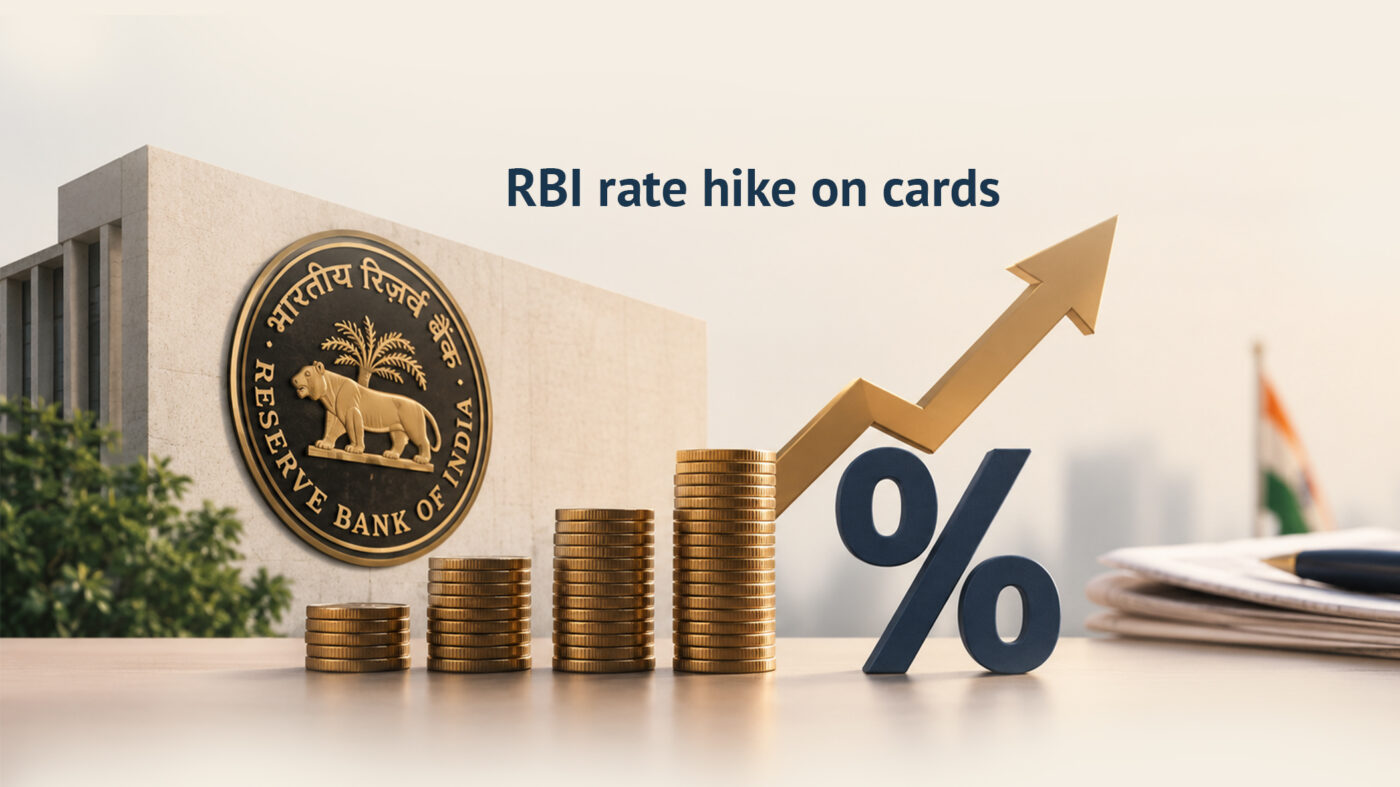
Our reading of the RBI MPC minutes is that the hawkish turn is genuine, but the pace of tightening is likely to remain measured. The 25 bps repo rate hike to 5.50% was unanimous, but members differed on the need for further tightening. Dr Nagesh Kumar and Indranil Bhattacharya favoured acting early, while Dr Poonam Gupta argued against waiting for inflation to become broad-based, given the lag in monetary policy transmission. Prof. Ram Singh preferred mild hikes over keeping rates higher for longer. Our AI model scores the minutes 7 out of 10 on hawkishness, assigning a 65% probability to a 25 bps hike to 5.75% on December 4, a 15% probability to a 50 bps hike and a 20% chance of a pause. We expect the terminal repo rate to reach 6.00% by February–April 2027.
The RBI is already tightening financial conditions without another repo rate hike. Banking system surplus liquidity has fallen from nearly INR 10 lakh crore in September, following FCNR(B) inflows, to around INR 4 lakh crore. VRRR auctions, INR 1.25 lakh crore of outright OMO sales, 99% daily CRR maintenance, FERR-related cash requirements, dollar sales and festive currency demand have all contributed to the drain. We expect durable surplus liquidity to move closer to neutral by December, pushing overnight rates towards the repo rate and strengthening monetary transmission. In effect, liquidity management is doing part of the MPC’s work.
This distinction matters for the yield curve. The 1-year OIS at around 6.59% prices nearly 100 bps of further tightening, against roughly 50 bps implied by our model. Part of this premium reflects tighter liquidity rather than rate hike expectations alone, leaving room for front-end rates to stabilise as the December decision becomes clearer. The 10-year government bond yield, near 7.45%, faces a tougher outlook. OMO supply concentrated in the 3–6-year segment, Brent crude around $110/bbl and persistent foreign selling should keep the 10-year yield in the 7.35–7.55% range. As liquidity stabilises, the recent bear-flattening could gradually give way to curve steepening.
Corporate bonds are likely to feel the squeeze before the next repo rate hike. Rising CD and CP rates point to higher funding costs, while cautious bank liquidity deployment could push AAA spreads modestly wider towards year-end. Some issuers may defer borrowing until 2027 rather than accept higher costs now.
The rupee has recovered faster than expected after the RBI’s October 10 package, including a dedicated dollar window for oil companies, FERR-related cash requirements and tighter restrictions on speculative positions. Together with IPO inflows and RBI dollar sales, these measures have helped USD/INR fall from nearly INR 97/$ to around INR 94.4/$ in less than two weeks. We expect the RBI to prioritise stability over further appreciation and potentially rebuild reserves during periods of rupee strength. However, elevated oil prices, cautious foreign flows and continued importer hedging remain risks.
Inflation and crude remain the key swing factors. Brent around $110/bbl, rainfall 13% below normal and weak reservoir levels raise concerns over the October–November harvest and the upcoming rabi season. If October CPI exceeds 6% and core inflation continues to rise, the case for a 50bps hike strengthens. Conversely, a deal around the Strait of Hormuz that brings Brent below $95/bbl, alongside inflation in the mid-5% range, could make a December pause more likely and allow yields to ease. A dovish Fed on October 28 could also support the rupee and stabilise front-end rates.
Our base case remains a 25 bps insurance hike on December 4, followed by a gradual move towards a terminal repo rate of 6.00% by February–April 2027. With the RBI meeting ahead of the Fed’s December 9 decision, we expect domestic inflation risks taking priority. The hawkish turn is real, but aggressive tightening is not inevitable. If crude stays elevated and inflation broadens, the RBI may have to move faster; if oil prices ease, it can afford to remain patient.
Disclaimer: The content of this article is for informational purposes only and should not be considered financial or investment advice. Investments in financial markets are subject to market risks, and past performance is not indicative of future results. Readers are strongly advised to consult a licensed financial expert or advisor for tailored advice before making any investment decisions. The data and information presented in this article may not be accurate, comprehensive, or up-to-date. Readers should not rely solely on the content of this article for any current or future financial reference.